Yale University is one of the most prestigious and historically significant institutions of higher education in the United States and the world. Located in New Haven, Connecticut, Yale is renowned for its academic rigor, intellectual freedom, rich cultural traditions, and commitment to shaping leaders who influence society at every level. Founded in the early 18th century, Yale has developed a legacy that blends classical education with modern innovation, making it a cornerstone of global scholarship. This article explores Yale University’s history, academic strengths, campus life, research excellence, and global impact.
1. Historical Foundations and Enduring Legacy
Yale University was founded in 1701 as the Collegiate School, making it the third-oldest institution of higher education in the United States. In 1718, the school was renamed Yale College in honor of Elihu Yale, a benefactor whose donations supported its early growth. From its colonial beginnings, Yale evolved into a leading research university while maintaining its dedication to liberal education and intellectual inquiry.
Throughout American history, Yale has played a critical role in educating political leaders, jurists, writers, scientists, and cultural figures. Its long-standing traditions, architectural heritage, and academic values contribute to its enduring reputation as a center of excellence.2. Academic Structure and Schools
Yale University is composed of Yale College (undergraduate education) and several graduate and professional schools. Together, they offer a comprehensive range of academic programs across disciplines. Major schools include:
- Yale College
- Yale Graduate School of Arts and Sciences
- Yale Law School
- Yale School of Medicine
- Yale School of Management
- Yale School of Architecture
- Yale School of Drama
- Yale School of Public Health
- Yale Divinity School
Yale’s academic structure encourages interdisciplinary learning, allowing students to explore connections between the humanities, sciences, and professional fields.3. Academic Excellence and Teaching Philosophy
Yale is widely recognized for its strong emphasis on teaching and learning. Small class sizes, seminars, and discussion-based instruction create an engaging academic environment where students are encouraged to think critically and express ideas confidently.
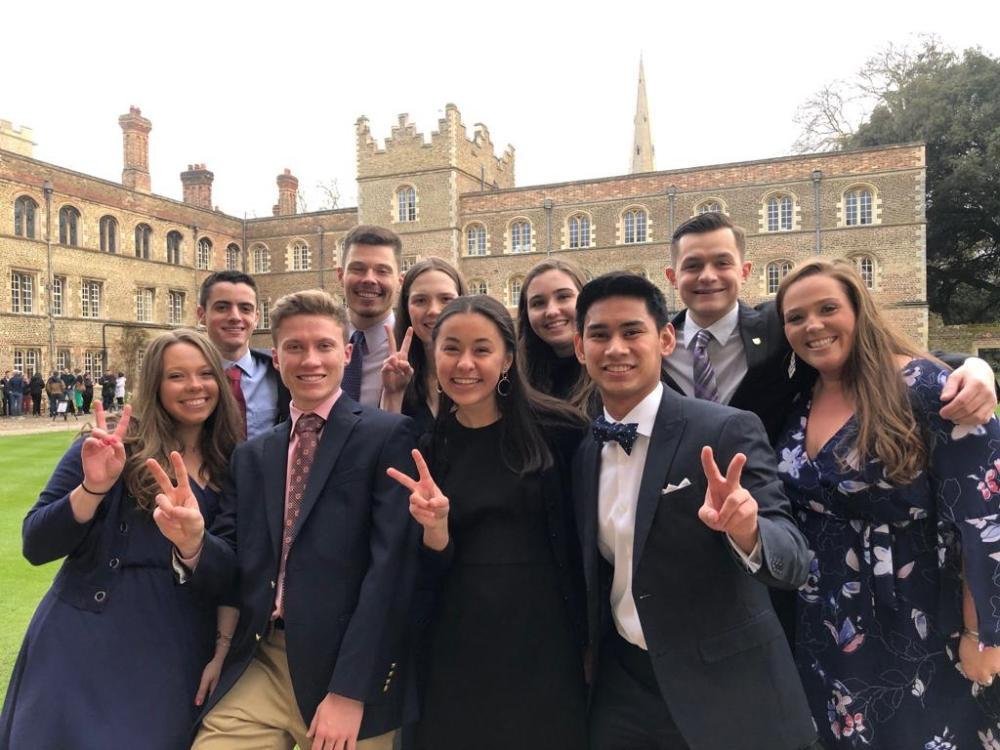
The university values intellectual curiosity and creativity as much as academic achievement. Students are supported in exploring diverse interests, conducting independent research, and developing original perspectives. Yale’s teaching philosophy promotes depth of understanding rather than rote memorization.4. Highly Selective Admissions Process
Admission to Yale University is extremely competitive. Each year, tens of thousands of students from around the world apply for a limited number of places. Yale’s admissions process is holistic, considering not only academic performance but also personal qualities, leadership potential, extracurricular involvement, and commitment to community.
Yale seeks students who demonstrate intellectual vitality, resilience, and a genuine passion for learning. This careful selection process ensures a dynamic and diverse student body that contributes to a rich academic community.
5. Research and Innovation
Yale University is a leading research institution with a strong commitment to advancing knowledge and addressing global challenges. Faculty and students are involved in cutting-edge research in fields such as medicine, environmental science, law, public policy, humanities, and technology.
The university provides extensive resources for research, including laboratories, libraries, research centers, and funding opportunities. Students at both undergraduate and graduate levels are encouraged to participate in research, often collaborating directly with faculty members.
Yale’s research contributions have led to important discoveries, policy innovations, and cultural insights that shape society.6. World-Class Faculty and Mentorship
Yale’s faculty includes distinguished scholars, researchers, and practitioners who are leaders in their respective fields. Many faculty members are Pulitzer Prize winners, MacArthur Fellows, and members of national academies.
Close interaction between faculty and students is a hallmark of the Yale experience. Professors serve not only as instructors but also as mentors who guide academic growth, research development, and career aspirations.
7. Libraries, Arts, and Cultural Resources
Yale University is home to one of the largest and most comprehensive university library systems in the world. With millions of volumes, rare manuscripts, and digital resources, Yale’s libraries support advanced scholarship across disciplines.
Yale is also a cultural hub. The university boasts renowned museums, galleries, and performance spaces, including the Yale University Art Gallery and the Yale Center for British Art. These institutions enrich academic life and provide students with access to global cultural heritage.
8. Residential College System and Student Life
One of Yale’s most distinctive features is its residential college system. Undergraduate students are members of one of several residential colleges, each offering academic support, social activities, dining facilities, and a close-knit community.
This system fosters a strong sense of belonging and encourages interaction between students from different academic backgrounds. Student life at Yale is vibrant, with hundreds of clubs, organizations, athletic teams, and cultural groups.
9. Commitment to Diversity, Equity, and Inclusion
Yale University is committed to building a diverse and inclusive academic community. The university actively promotes equity and access through outreach programs, inclusive admissions practices, and comprehensive financial aid.
Yale’s need-based financial aid ensures that students from various socioeconomic backgrounds can afford a Yale education. This commitment reflects the university’s belief that academic excellence is strengthened by diversity of perspectives and experiences.
10. Global Influence and Alumni Network
Yale’s impact extends well beyond its campus. Its alumni network includes influential leaders in government, law, business, science, arts, and public service. Yale graduates have served as U.S. presidents, Supreme Court justices, diplomats, CEOs, and Nobel laureates.
The global alumni network provides lifelong connections, mentorship opportunities, and professional support, reinforcing Yale’s role as a global institution.
11. Ethics, Public Service, and Leadership
A defining element of Yale’s mission is its emphasis on ethical leadership and public service. The university encourages students to use their education to contribute positively to society.
Programs focused on civic engagement, social justice, and global affairs enable students to address real-world challenges. Yale instills a sense of responsibility, urging students to apply their knowledge with integrity and compassion.
12. Challenges and Modern Adaptation
Like all leading universities, Yale faces challenges related to affordability, technological change, and evolving educational needs. The university continues to adapt by embracing digital learning, expanding interdisciplinary programs, and strengthening global partnerships.
Yale’s ability to balance tradition with innovation ensures its continued relevance in a rapidly changing world.
Conclusion: Yale’s Enduring Promise
Yale University stands as a symbol of academic excellence, intellectual freedom, and global leadership. Its rich history, rigorous academic programs, vibrant campus life, and commitment to public service make it one of the world’s most respected institutions.
By fostering critical thinking, creativity, and ethical responsibility, Yale prepares students to lead with purpose and make meaningful contributions to society. In the United States and beyond, Yale University continues to shape the future through education, research, and service to humanity.