Below is a comprehensive 1500-word article written in clear, formal English.
Yale University is one of the most prestigious and influential institutions of higher education in the United States and the world. Located in New Haven, Connecticut, Yale is renowned for its academic excellence, historic legacy, world-class faculty, and strong commitment to leadership, research, and public service. As a member of the Ivy League, Yale has played a central role in shaping intellectual thought, political leadership, scientific discovery, and cultural development for more than three centuries.
Historical Background
Yale University was founded in 1701, making it the third-oldest institution of higher education in the United States, after Harvard and the College of William & Mary. Originally established as the Collegiate School, it was created by a group of Congregationalist ministers who aimed to educate clergy and civic leaders. In 1718, the institution was renamed Yale College in honor of Elihu Yale, a British merchant and philanthropist who made significant donations to the school.
Over the centuries, Yale evolved from a small religious college into a comprehensive research university. Its long history is deeply intertwined with the development of American education, democracy, and global scholarship.
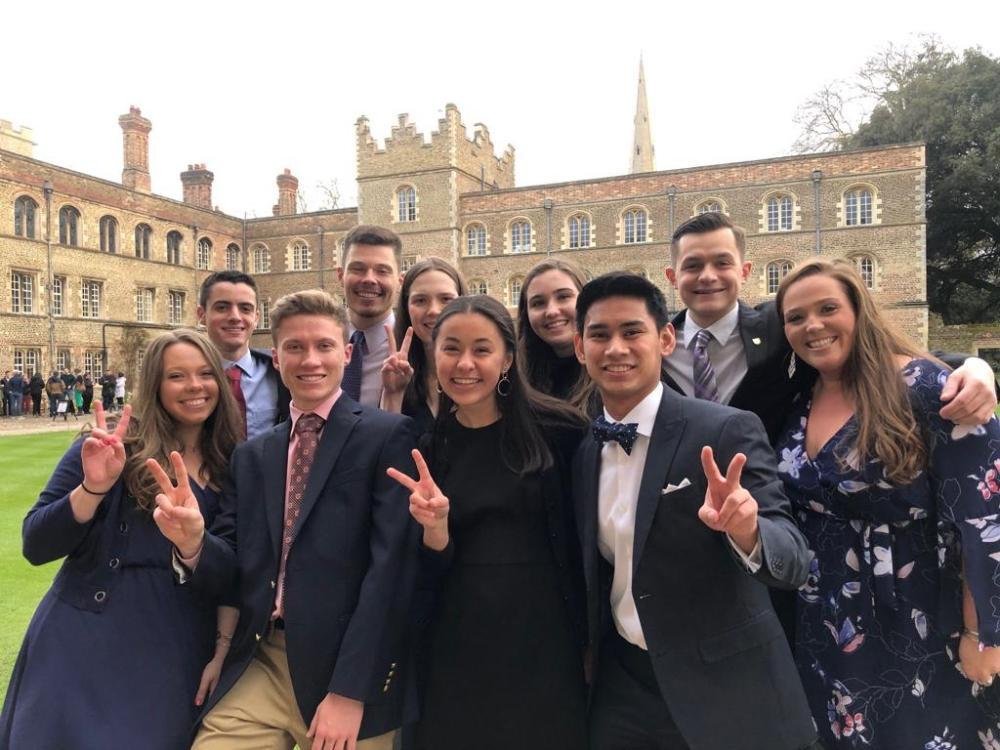
Campus and Location
Yale’s main campus is situated in New Haven, Connecticut, a city known for its academic atmosphere and proximity to major urban centers such as New York City and Boston. The campus is famous for its stunning architecture, blending Gothic, Georgian, and modern styles. Iconic landmarks include the Sterling Memorial Library, Harkness Tower, and the Yale Art Gallery.
The university campus is not only a place of learning but also a cultural hub, offering museums, theaters, libraries, and green spaces. Yale’s libraries collectively form one of the largest academic library systems in the world, with more than 15 million volumes.
Academic Excellence and Structure
Yale University is composed of several schools and divisions, each offering rigorous academic programs:
- Yale College (undergraduate liberal arts education)
- Graduate School of Arts and Sciences
- Yale Law School
- Yale School of Medicine
- Yale School of Management
- Yale School of Architecture
- Yale School of Drama
- Yale School of Public Health
- Yale School of Nursing
Yale emphasizes interdisciplinary learning, encouraging students to explore multiple fields of study. Small class sizes, seminar-based teaching, and close faculty-student interaction are key features of Yale’s academic environment.
The Residential College System
One of Yale’s most distinctive features is its residential college system. Undergraduate students are assigned to one of 14 residential colleges, each with its own dining hall, library, social spaces, and traditions. This system fosters a strong sense of community, mentorship, and belonging.
Residential colleges provide academic support, social activities, and cultural events, helping students balance intellectual growth with personal development.
Faculty and Research
Yale is home to some of the world’s most respected scholars, researchers, and practitioners. Its faculty includes Nobel Prize winners, Pulitzer Prize recipients, and members of national academies. The university is known for groundbreaking research in fields such as:
- Medicine and biomedical sciences
- Law and public policy
- Environmental studies and climate change
- Economics and political science
- Humanities and social sciences
Yale strongly supports research that addresses global challenges, including public health crises, sustainability, social inequality, and technological innovation.
Admissions and Student Diversity
Admission to Yale University is highly competitive. The university seeks students who demonstrate academic excellence, intellectual curiosity, leadership potential, and commitment to service. Yale practices a holistic admissions process, evaluating applicants beyond grades and test scores.
Yale’s student body is remarkably diverse, representing all U.S. states and more than 120 countries. The university actively promotes inclusion, equity, and access, making efforts to enroll students from different socioeconomic, cultural, and educational backgrounds.
Financial Aid and Affordability
Yale University is widely recognized for its generous financial aid policies. It operates on a need-blind admissions system for U.S. students, meaning financial circumstances do not affect admission decisions. Yale meets 100% of demonstrated financial need without requiring loans for most students.
This commitment ensures that talented students from all economic backgrounds can attend Yale, reinforcing its mission of equal opportunity and social responsibility.
Student Life and Extracurricular Activities
Student life at Yale is vibrant and dynamic. The university offers hundreds of student organizations, including academic clubs, cultural associations, debate societies, volunteer groups, and performing arts ensembles.
Athletics also play a significant role in campus life. Yale competes in the NCAA Division I Ivy League and has a strong tradition in sports such as rowing, football, basketball, and soccer.
The arts are deeply embedded in Yale’s culture, with internationally respected programs in drama, music, and visual arts. The Yale Repertory Theatre and Yale School of Drama are particularly influential in shaping American theater.
Global Influence and Alumni Network
Yale University has produced an extraordinary number of influential alumni who have shaped history, politics, business, science, and culture. Notable alumni include:
- Five U.S. Presidents, including George H. W. Bush and George W. Bush
- Numerous U.S. Supreme Court Justices
- World leaders, diplomats, and policymakers
- Renowned authors, artists, and journalists
- CEOs and innovators in global industries
Yale’s alumni network spans the globe, offering graduates lifelong connections, mentorship, and professional opportunities.
Yale’s Role in Public Service and Leadership
Public service is a core value at Yale University. The institution encourages students to engage in civic responsibility, ethical leadership, and global service. Programs such as international fellowships, community partnerships, and policy initiatives help students apply their knowledge to real-world challenges.
Yale’s emphasis on leadership is reflected in its strong presence in law, government, public health, and international affairs.
Commitment to Innovation and the Future
While deeply rooted in tradition, Yale continues to adapt to the changing demands of the modern world. The university invests heavily in technology, digital education, sustainability initiatives, and interdisciplinary research. Yale’s sustainability programs aim to reduce environmental impact and promote climate solutions both on campus and globally.
Through innovation, collaboration, and ethical responsibility, Yale strives to prepare students not only for successful careers but also for meaningful lives of purpose and impact.
Conclusion
Yale University stands as a symbol of academic excellence, intellectual freedom, and global leadership. With more than three centuries of history, a commitment to diversity and inclusion, and a dedication to research and public service, Yale continues to shape the minds and leaders of tomorrow.
As one of the world’s most respected universities, Yale’s influence extends far beyond its campus in New Haven. It remains a place where tradition meets innovation, where knowledge serves society, and where education is viewed not just as a path to success, but as a responsibility to the world.